Event Management Made Easy
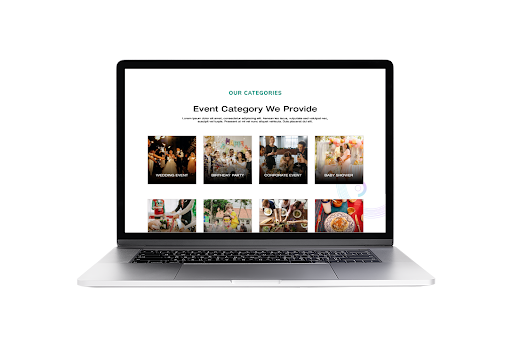
OpenTeQ designed a user-friendly Figma prototype for an event management company's website and mobile app, incorporating intuitive navigation, appealing layouts, and essential features like vendor search, booking, payment gateways, and user accounts.
Project Synopsis
OpenTeQ designed a website and mobile application for an event management company based in Dubai. The goal was to create a user-friendly platform that allows customers to easily find and book vendors in various event categories, such as catering, entertainment, gifts, and more.
The key requirements were to provide a seamless experience for users to search for vendors, view their pricing and availability, and book their services conveniently. The design process involved understanding the project requirements, creating wireframes and prototypes, and iterating based on client feedback.
The final designs delivered intuitive navigation, visually appealing layouts, and integration of essential features such as vendor search, booking flow, payment gateways, and user account management. The project resulted in a polished UI/UX design solution tailored to meet the client's vision for their event management platform.
Project Requirements
The project requirements for the event management company were comprehensive, aiming to create an intuitive and efficient platform for both users and vendors. Below is a detailed breakdown of the key elements needed:
User Experience
Provide a user experience similar to popular food delivery apps in Dubai
Intuitive navigation and user flow
Visually appealing and consistent design across web and mobile platforms
Vendor Search and Booking
Enable users to search for event vendors across various categories (catering, entertainment, gifts, etc.)
Display vendor details, pricing, availability, and ratings/reviews
Allow users to book and schedule vendor services directly through the platform
Payment Integration
Implement secure and reliable payment gateways
Support multiple payment methods (credit/debit cards, mobile wallets, etc.)
Proper handling of payment processes, including order confirmation and receipts
User Accounts and Profiles
Allow users to create accounts and manage their profiles
Save preferences, booking history, and favorite vendors
Enable communication between users and vendors for inquiries and updates
Vendor Management
Provide a dedicated vendor portal for service providers to manage their listings, availability, pricing, and orders
Facilitate two-way communication between vendors and customers
Responsive Design
Ensure a consistent and optimized user experience across various devices (desktop, tablets, mobile)
Utilize responsive design principles and techniques
Performance and Scalability
Implement efficient and scalable architecture to handle increasing user traffic and data
Optimize for fast loading times and seamless user interactions
These requirements capture the client's desire to emulate the user experience of popular food delivery apps while incorporating essential features for an event management platform, such as vendor search, booking, payment integration, and user account management.
Key challenges
Lack of wireframes or initial designs
Collaborated closely with the Business Analyst (BA) who created the user stories.
Had daily discussions with the BA to understand the requirements for the specific modules being designed.
Based on these discussions, the screen designs and layouts were created.
Determining the optimal placement of data and features
Worked closely with the BA to understand the user flows and prioritize the information architecture.
Leveraged user experience best practices and design principles to organize the content and features logically and intuitively.
Maintaining consistency across platforms
Established a comprehensive design system and style guide to ensure visual and interaction consistency across the website and mobile app.
Utilized responsive design techniques to adapt the layouts and components for different screen sizes and devices.
Incorporating client feedback and iterations
Maintained open communication channels with the client and conducted regular design reviews.
Gathered feedback and incorporated necessary changes or iterations to align the designs with the client’s vision and requirements.
Handling complex functionalities
For intricate features like payment integration, vendor management, or user accounts, conducted detailed requirements gathering sessions.
Collaborated with the development team to understand technical constraints and implemented designs that balanced usability and feasibility.
By addressing these key challenges through collaboration, open communication, and adherence to best practices, OpenTeQ delivered a polished UI/UX design solution tailored to the client's requirements for their event management platform.
Solution Implementation
As per the client's requirements, OpenTeQ focused directly on the design phase of the project. The process followed was:
Requirements Gathering
Understood the project requirements by conducting knowledge transfer sessions with the Project Manager and Business Analyst (BA).
Gained insights into the client’s vision, target audience, and desired features.
Design Exploration
Created multiple design samples for the website’s home page.
Explored various layout options, visual styles, and user interface elements.
Client Feedback and Iteration
Presented the home page design samples to the client.
Incorporated client feedback and finalized the approved designs.
User Story-Based Design
Leveraged the user stories created by the BA as a roadmap.
Designed the remaining pages and screens, ensuring alignment with the user flows and requirements outlined in the user stories.
OpenTeQ collaborated closely with the client, Project Manager, and BA throughout the design process. This approach allowed for a streamlined design workflow, incorporating client feedback at every stage and ensuring that the final designs met the project's objectives and user experience goals.
Results